

Better Engineers. Better People.
The Bachelor of Science in Engineering at the University of Dubuque is a forward-looking program that combines strong technical foundations with hands-on, real-world problem solving. Through UD's distinctive cross-functional innovation approach, students engage in interdisciplinary, human-centered design projects that emphasize collaboration, communication, ethical responsibility, and service. Designed to evolve alongside emerging technologies, the program prepares graduates to adapt, lead, and innovate in a rapidly changing world while developing the technical expertise, professional skills, and sense of purpose needed to create meaningful solutions and make a positive impact in their communities.
Making a Difference Through Engineering
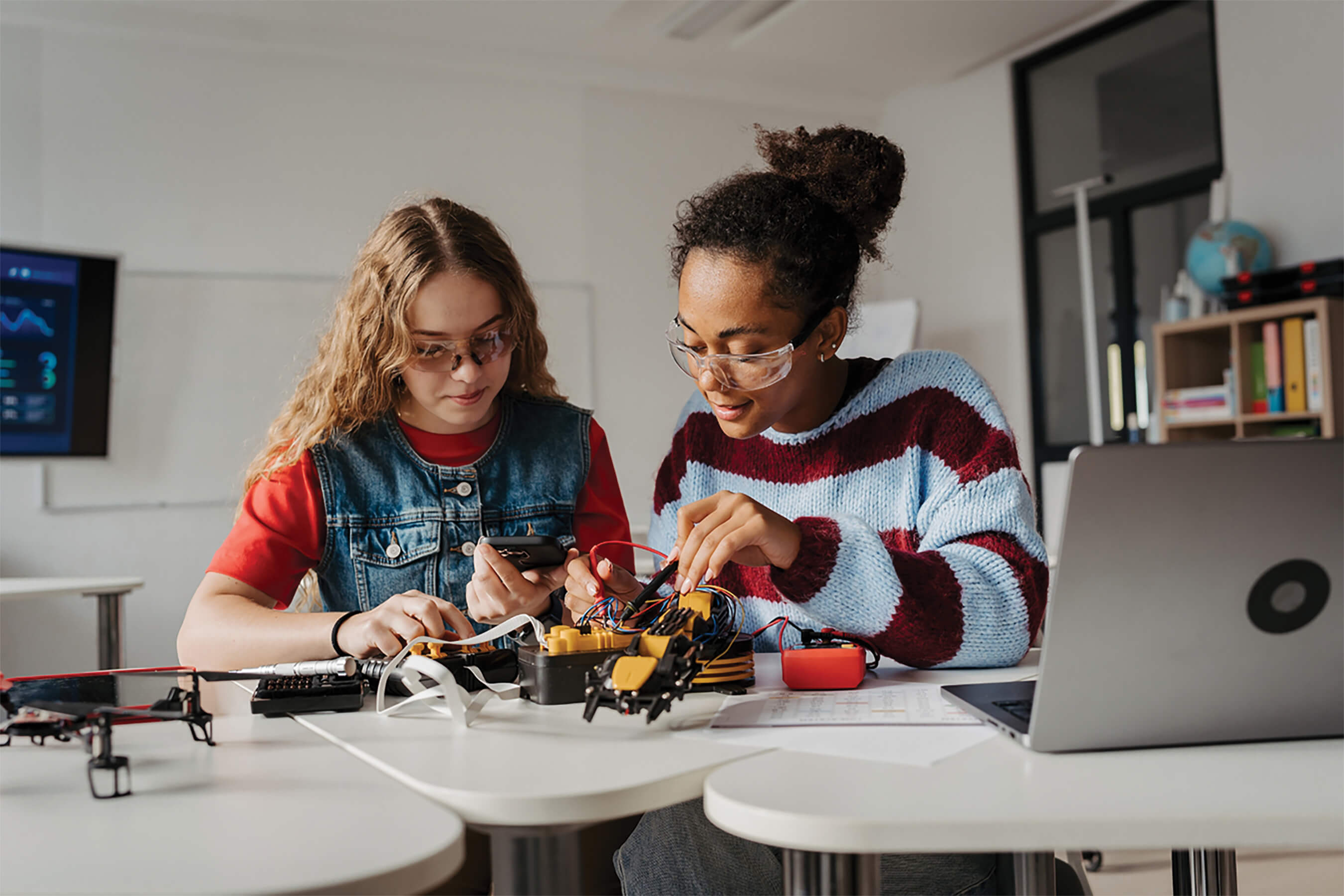
Engineers shape the future. At UD, students learn to address society's most pressing challenges through innovation, collaboration, and service. Engineering students engage in hands-on projects that connect classroom theory to real-world applications. Through interdisciplinary experiences and industry partnerships, they learn how engineering solutions impact people, organizations, and communities. Whether designing automated systems, improving manufacturing processes, or creating technologies that improve quality of life, UD engineering students are prepared to make a meaningful impact wherever their careers take them.
Mission and Program Educational Objectives
Engineering Program Mission
The Engineering Program develops engineers who think beyond formulas - professionals who integrate technical rigor with human insight to solve complex, real-world problems.
Through an adaptive and agile curriculum, students learn to apply data, experimentation, and sound judgment to create practical solutions that respond to rapidly evolving technologies and societal needs.
Rooted in collaboration, communication, and ethical responsibility, the program prepares graduates to lead across disciplines, engage diverse perspectives, and design with purpose. Emphasizing service, continuous learning, and global awareness, we cultivate engineers who not only solve problems, but improve lives and strengthen communities.
This mission aligns with the University of Dubuque's commitment to educating the whole person through intellectual growth, ethical development, and meaningful service.
Program Educational Objectives
Within three to five years following graduation, alumni will demonstrate the ability to:
- Apply integrated engineering knowledge to solve complex, real-world problems using data, experimentation, and engineering judgment.
- Communicate effectively and collaborate across disciplines, contributing to team success and leadership in professional environments.
- Demonstrate ethical responsibility and professional integrity while considering global, societal, environmental, and economic impacts.
- Engage in continuous learning and professional growth, adapting to emerging technologies and evolving industry needs.
- Apply human-centered and service-oriented approaches to address societal challenges and make meaningful contributions to their communities.
Degree Distinctive
- Human-Centered Engineering: Students learn to design solutions that consider technical requirements alongside human, societal, and stakeholder needs.
- Cross-Functional Innovation: Projects encourage collaboration across disciplines, mirroring the environments graduates will encounter in industry.
- Industry-Connected Learning: Regional engineering and manufacturing leaders help shape the curriculum and provide insight into workforce needs.
- Adaptable Curriculum: The program is intentionally designed to evolve alongside emerging technologies, ensuring students graduate prepared for future industry demands.
- Purpose-Driven Education: Engineering is taught as both a profession and a means of serving communities and improving lives.
Career Opportunities
Engineering graduates are prepared for careers across a broad range of industries and technical disciplines.
Industries and Fields
- Manufacturing
- Robotics
- Automation
- Engineering Consulting
- Process Improvement
- Product Design and Development
- Healthcare Technology
- Power and Energy
- Industrial Systems
- Advanced Manufacturing
- Operations and Production
- Research and Development
Graduates will be equipped to enter engineering roles that require technical expertise, problem-solving ability, collaboration, leadership, and adaptability.
Industry Partnerships
The Engineering Program was developed with valuable collaboration and guidance from regional industry partners, including:
- Alliant Energy
- Andersen Corporation
- AY McDonald
- Constellation
- East Dubuque Nitrogen
- Guardian Glass
- John Deere
- Kimberly-Clark
- Klauer
- RFA Engineering
- Rousselot
- RTM
- Vanguard Enterprises
These partnerships help ensure students gain relevant skills and experiences that align with workforce needs and industry expectations.
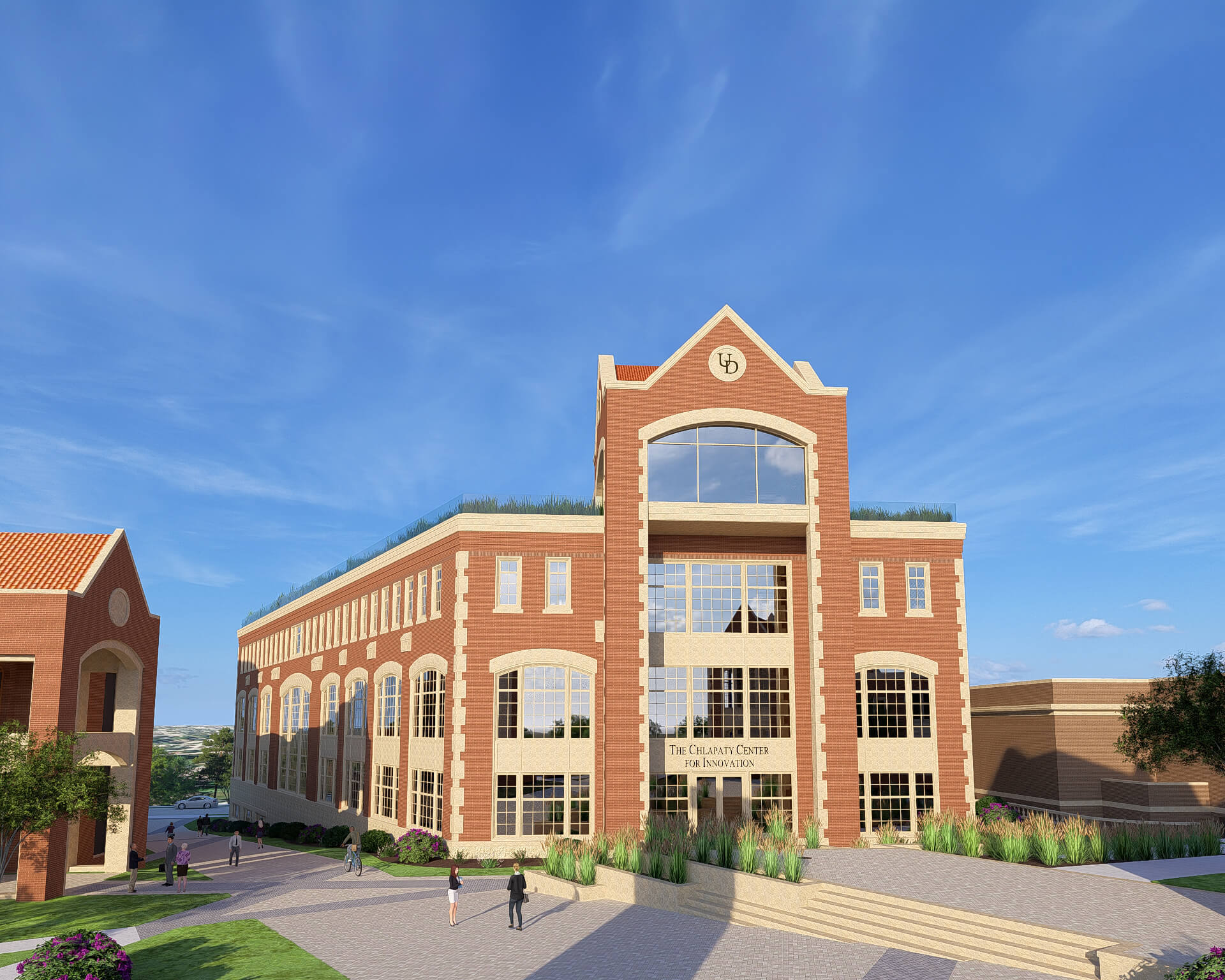
Chlapaty Center for Innovation
Scheduled to open fall 2027, the Chlapaty Center for Innovation is an 87,000-square-foot, five-story building designed for students from all academic disciplines to work alongside faculty, entrepreneurs, alumni, and industry partners to solve real-world problems. Anticipated spaces include metalworking and woodworking, 2D and 3D print and cut, and textile areas, a culinary suite, a recording studio, a rooftop garden, and more. Bormann envisions a transformative space where curiosity is encouraged, creativity is celebrated, and learning extends well beyond the classroom walls.