Emily Vyverberg Provides Life-Changing Gift of Safe Water in Tanzania with Sister Water Project
By Stacey Ortman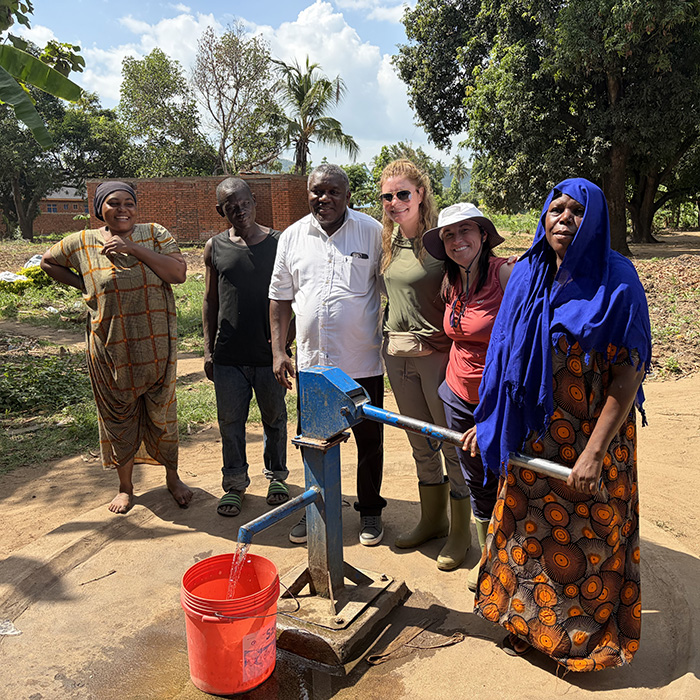
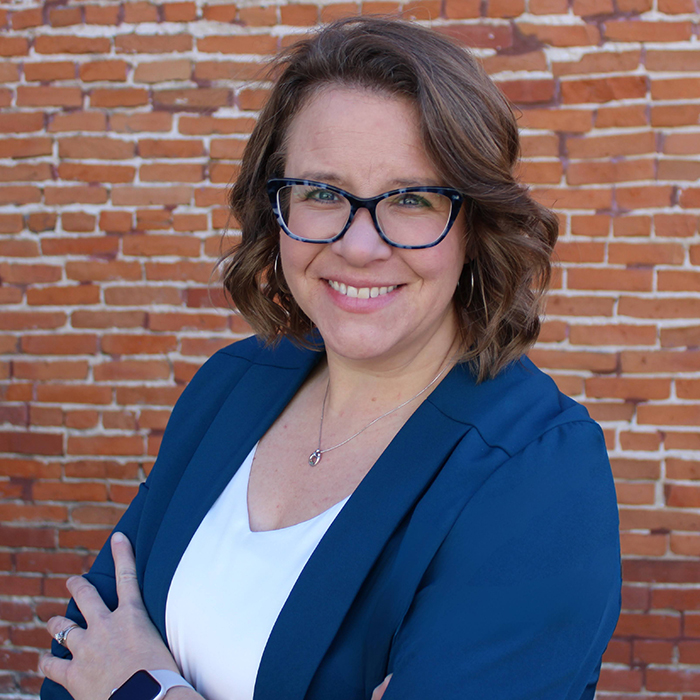
DUBUQUE, Iowa - Emily Vyverberg, PharmD, heard the flurry of joyful voices before she watched the children pour out of their school in Tanzania to greet the bus full of people from Iowa who helped install a vital well nearby that will provide access to safe water.
In January, Vyverberg, an associate professor of physician assistant studies at the University of Dubuque, traveled to Morogoro, Tanzania, for the fourth time on behalf of the Sister Water Project. Founded by the Dubuque Franciscan Sisters in 2006, the project brings clean water to communities in Tanzania and Honduras. It reflects the sisters' mission statement to live "in right relationship will all of creation."
"Across all of my trips, what stands out most is the palpable gratitude for access to clean, safe water - even across language barriers," Vyverberg said. "I thought I knew what it meant to bring water to a village for the first time, but it's not something I fully realized until I was there witnessing the celebration and experiencing the profound gratitude firsthand. This project brings hope for improved health and expanded opportunities, especially for women and children, and leaves me humbled and grateful to be part of such meaningful work."
Since the project started, over 600 wells have been installed in Tanzania. Vyverberg has helped audit hundreds of those wells and witnessed at least a dozen celebrations in which the wells are handed over to community members. This year alone, she and the team audited 50 wells and witnessed three celebrations. Dry conditions allowed the Sister Water Project group to travel 80 miles southeast of Morogoro - a five-hour journey - to more remote wells that are usually inaccessible during the rainy season.
"When we go on these trips, our purpose is to see as many of our wells as we can to make sure they are functioning and serving everybody in the community," Vyverberg said.
Approximately 68 percent of Tanzania's population lacks access to safe water, according to water.org. Oftentimes, the original source of water is a shallow hole dug into the ground to capture rainwater or a creek located miles away that may have human and wildlife predators in the area.
Through her participation with the Sister Water Project, Vyverberg deepens her commitment to service and stewardships, which she feels enriches her career as an associate professor.
"My role at UD allows me to share these experiences with students and the broader campus community - educating, inspiring, and preparing future providers to serve where they are needed most," Vyverberg said. "This work highlights both the urgency of global water challenges and the hope found in service, reminding us that access to clean water is not universal and that we all have a role in improving lives. Ultimately, it aligns closely with our PA program's mission to prepare students to serve others and improve health outcomes, particularly in underserved communities."
A unique aspect to the Sister Water Project is that the 12 to 14 people who travel to Tanzania each year also fund one of the wells. This year, they supported Well No. 597 and celebrated its installation with a small gathering of primarily women and children.
"The celebration marked a meaningful step toward improved health, sustainability, and overall well-being," Vyverberg said. "During the gathering, a village representative expressed heartfelt thanks on behalf of the community stating, 'We have nothing to repay you, but we will pray for you. Thank you very much.' That sentiment underscores the significance of the project and its profound impact on daily life."
The Sister Water Project partners with Safe Water for Life and Dignity (SWLD), a non-governmental agency that collaborates with locals to build wells that work with a simple hand pump in rural villages. Community members are empowered to maintain the wells themselves.
SWLD provides monthly reports for each installed well. Oftentimes, Vyverberg shares an excerpt from the reports with her PA students as the updates illustrate how access to clean water directly reduces disease, prevents unnecessary hospitalizations, and improves overall community health reinforming the broader mission of improving health for all.
A recent report from the 600th well, which was installed in February, shared how health benefits are already felt by the 590 people impacted. It stated, in part, "The continuous use of contaminated water has led to frequent infections among villagers, resulting in repeated hospitalizations and significant hardships. The completion of this well marks a major milestone in addressing these challenges. It will greatly reduce the suffering and health risks caused by the lack of safe water and significantly improves the overall wellbeing of the community."
Vyverberg added, "We talk a lot about waterborne illness and GI illnesses in class. Sharing these reports is an impactful way to connect to things that are happening in real life."
To learn more about the Sister Water Project, please visit https://osfdbq.org/sisterwaterproject/.
Related News
All News