University of Dubuque Professor to Present "Place as Ancestor: Where Our Stories Begin"
By University Relations Staff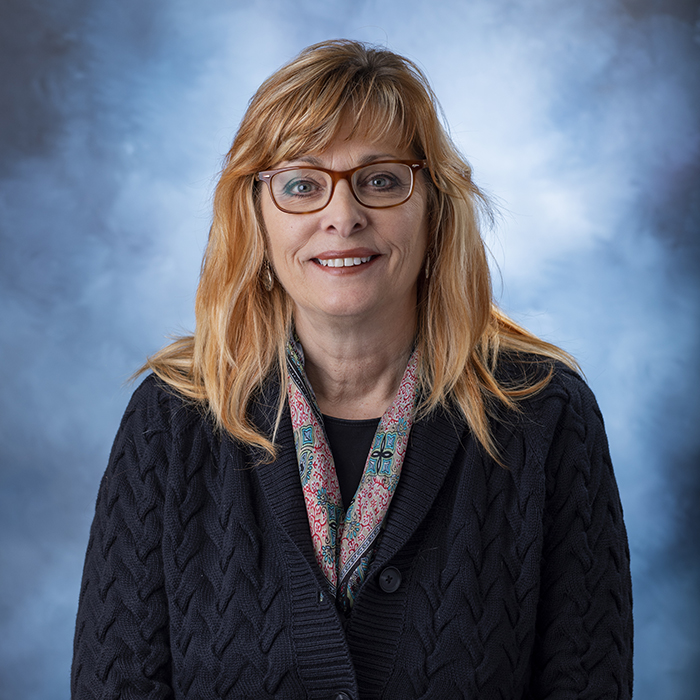
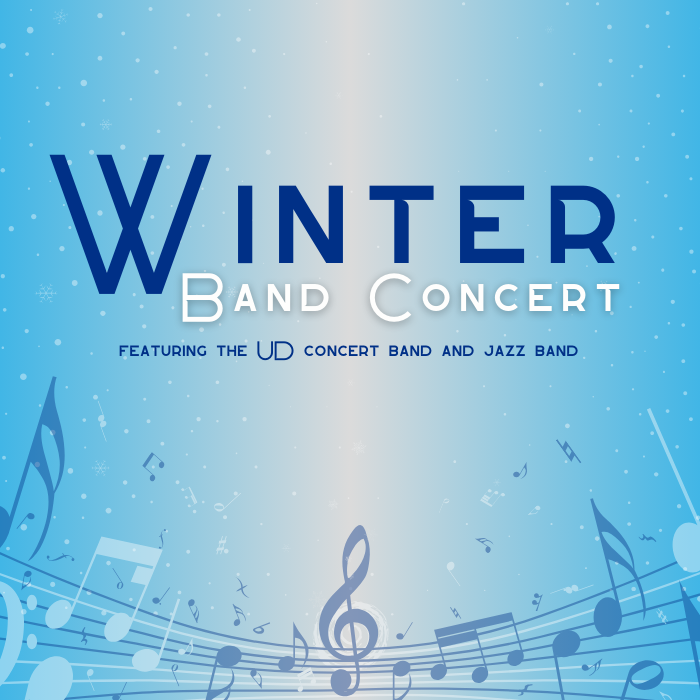
DUBUQUE, Iowa - Angela Brandel, EdD, professor of education at the University of Dubuque who received her doctorate degree in curriculum and instruction focused on the history of colonization of Native Peoples, will present "Place as Ancestor: Where Our Stories Begin" at 6:00 p.m. Thursday, March 19, 2026, in Room 264, Peter and Susan Smith Welcome Center on UD's campus.
The event is free and open to the public. It will include a question-and-answer session.
Geographic place names in the United States hold memories, identity, and power. Many of these place names are ancestral and represent living relationships with the land as they have for thousands of years. During her presentation, Brandel will discuss how place names are deeply tied to history, spirituality, and knowledge for Indigenous communities. She'll also explore how the restoration of place names "promotes healing, provides education for all, and acknowledges a painful history seldom taught in the US."
An expert in the area, Brandel's master's degree in effective teaching in elementary education focused on the lack of Native history and culture in the K-12 curriculum. She has taught for over nine years in K-12 general and special education classrooms. For the past 15 years, she has taught introductory level courses at UD in human relation skills, special education, and learning and teaching processes. As a qualified administrator for the Intercultural Development Inventory, Brandel has provided feedback to over 2,000 students to help improve cultural competence. Over 25 years ago, she was immersed with Native Peoples for the summer to learn their traditional culture and history. Brandel has continued to provide service to various Nations in the Midwest and education to non-Native communities. "Place as Ancestor: Where Our Stories Begin" is part of that ongoing service.
"Many of the current US national parks and landmarks were renamed during 500 years of colonization and Christianization and continue to be replaced with names that reflect US government political authority and power rather than preservation of our land's original place names," Brandel said. "Restoration of Indigenous place names is a complex government process that favors the power of colonization and Christianization."
Related News
All News